


Is your child comfortable speaking to adults? Finding the confidence to talk to adults is a massively important skill that is often forgotten amidst learning ABCs and 123s. I knew I needed to work together with my kids to help them build this skill – so I put a plan in action that I continue to use today. Here’s what my family did.
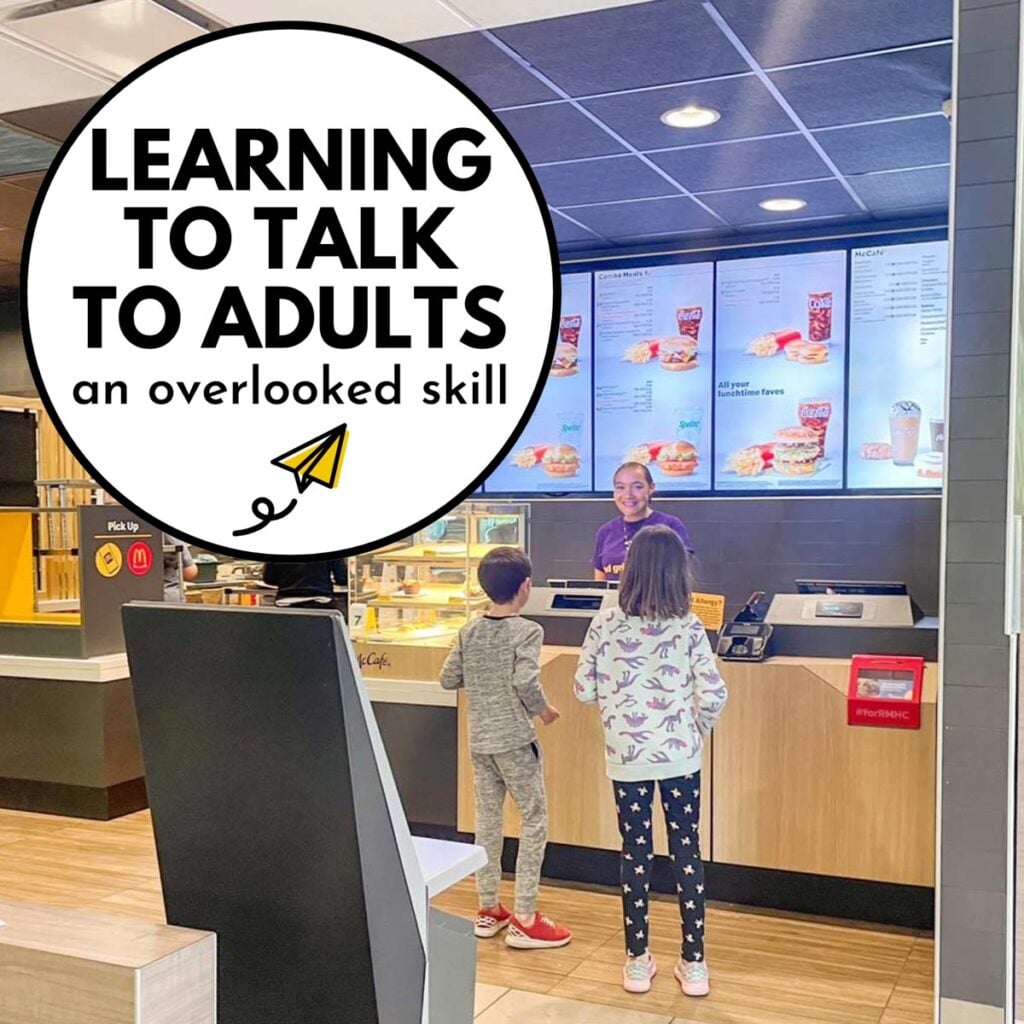
Talking to Adults is Challenging for Many Kids
Is your child comfortable speaking to adults?
Not just adults they know, but more importantly – adults they don’t know?
I won’t sugarcoat my feelings on this: finding the confidence to talk to adults is a massively important, underrated lifelong skill that is often swept under the rug until kids are teens. This life skill makes a huge difference for kids and can begin in the early years of childhood.
But it doesn’t always come naturally.
This is a hard and scary skill for many kids. It’s natural to want to handle speaking for them to make things easier. But I believe this is a time to give a little push and help kids develop a very necessary skill that they’ll need for their whole lives – from advocating for their needs at school, to getting questions answered, negotiating situations, and finding support.
RELATED: Looking for additional ways to support independence in kids? Check out my post on helping kids find independent play.


How Do We Help Kids Learn to Talk to Adults?
So, how do we build this skill?
Practice, practice, practice. For some kids, talking to adults may come more naturally. For my introverted child, this was not the case. But for all my kids, I knew we needed to work together to build this skill – so I put a plan in action during the earliest years and created systems to help them. I continue to use this system today.
Here’s what we did.
Top Tips for Supporting this Important Life Skill
*Please note: If your child receives speech or communication services or support, remember their development of this skill will be on their unique path and timeline.
Tip 1: Use Imaginary Play
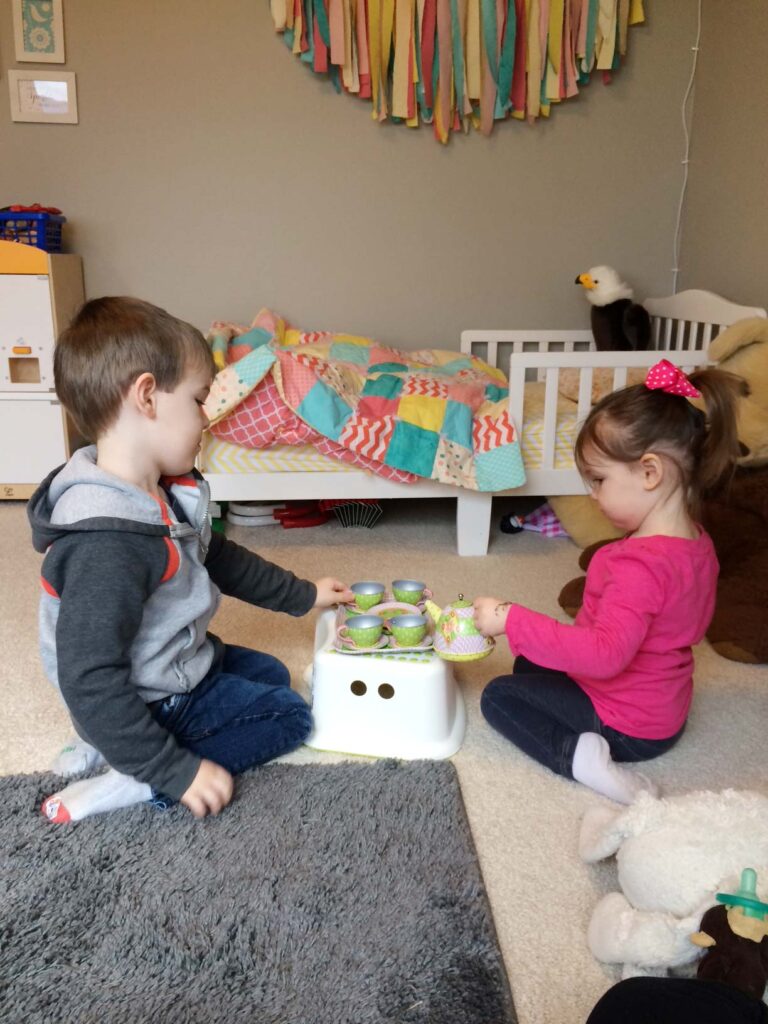
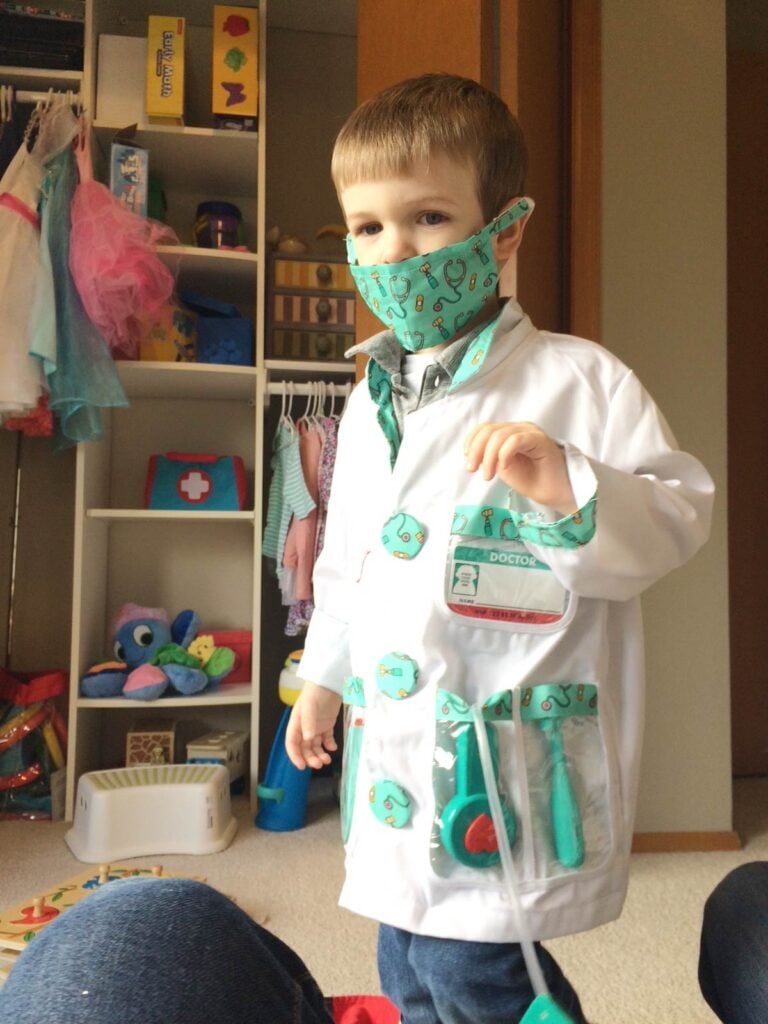
It may just seem like “kids being kids,” but playing games like doctor, restaurant, and post office at home is a huge step in learning how to talk to adults. Our kids are using these moments to practice the language they’re hearing in social situations.
Before you ever even leave the house and actually attempt speaking to adults, kids can use imaginary play to practice the language, cadence, and give-and-take of conversations.
How this looks for my family: My kids take orders at their imaginary cafe, give me a check-up with their doctor’s kit, and sell me things at their “store” all the time. I love using this safe, fun opportunity to model asking questions, being polite, and using my voice.
Tip 2: Narrate Your Time in Public
One of the strongest ways to grow your child’s overall language skills? Narrate your thoughts. Let them hear what’s going on inside your head as you walk through the grocery store, look for a book at the library, or head into the doctor’s office. Bring your inner monologue out of your head.
When we keep our inner monologue to ourselves, kids mistakenly think that adults have it all figured out all the time, which makes it even more intimidating for them to talk to grown-ups. Let them see how much we think each situation through, and that they can, too.
Here’s how this looks for my family: “I’m not sure where cereal is. I’m going to ask the clerk for help.” “I don’t know if my burger comes with tomatoes or not, so I’ll check with the server before ordering.” “I’m going to tell the receptionist our name and find out where to sit.” This helps kids understand that adults are figuring out each situation as we go, just like they are.
Looking to grow your child’s real world experiences?
Check out Offshoots: A family unit study program to build foundational knowledge together.
Tip 3: Practice A Script
Probably the biggest confidence-booster for my introvert: Knowing that it’s okay to feel nervous when talking to others, and that practicing a script is something most adults still do before they call to make an appointment or explain a situation.
We adults practice quick scripts all the time, without even realizing it (like when we need to call the doctor’s office). Sharing this skill – to come up with words before getting an adult’s attention – is a major confidence booster.
How this looks for my family: We practice coming up with a script and repeating it so they don’t walk up to that safe adult cold (which can be really hard). We repeat over and over: “Excuse me, where are books about dinosaurs?” “Excuse me, where are books about dinosaurs?” “Excuse me, where are books about dinosaurs?”

Tip 4: Stop Speaking for Them
Finally, the big one: Stop talking for them.
Have your kid(s) practice speaking to safe adults when they’re out in public with you by their side. It’s low-key opportunities like:
- Ordering at a restaurant
- Asking questions at kid-friendly places like zoos and libraries
- Checking-in for an appointment
- Running errands to neighbors
Giving your child safe, supported chances to speak to adults is a huge step in their development. It’s a big skill to learn, but a lot easier when they know their script and that you’re there to support them.
We need to step back and give them opportunities to shine.
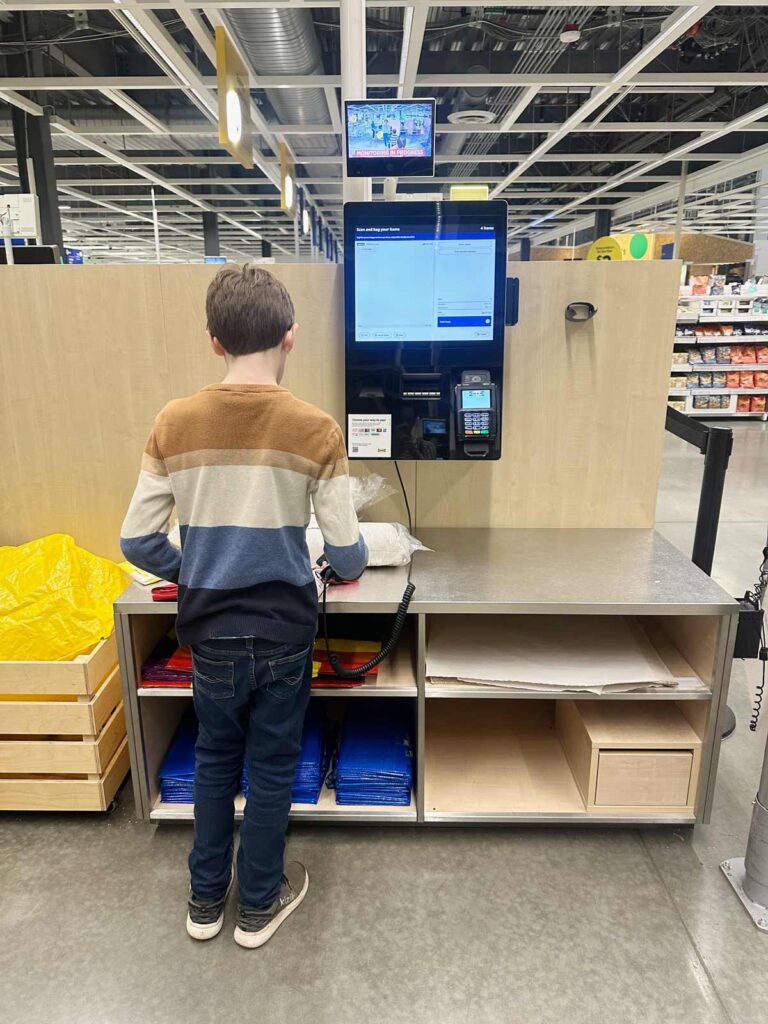
How this looks in my family: I stopped ordering for my kids in restaurants around age 6, depending on the child. We decide what they’ll order and practice before the waiter comes. If we are at a museum and they have a question, they need to be the one to ask for the answer. When they use their money to buy something, they stand in line and complete the transaction.
Supporting Our Kids in this Skill
Talking to vaguely familiar or even completely new adults is something that comes up a lot in all our lives.
Gaining confidence and normalizing speaking to adults is a lot easier to learn when kids know they have you standing behind them.
Let’s work with our kids to help them find their voice.

Susie Allison, M. Ed


 Subscribe to my free newsletter and I’ll send you “35 Easy Toddler Activities to Break Up the Day!”


Leave a Comment