


How do children acquire general knowledge? Do physical nonfiction books still have value when kids have unlimited online research at their fingertips? These are common question faced by families, from toddlers to tweens and teens. This post introduces “stumble upon learning,” an answer to these digital age problems.
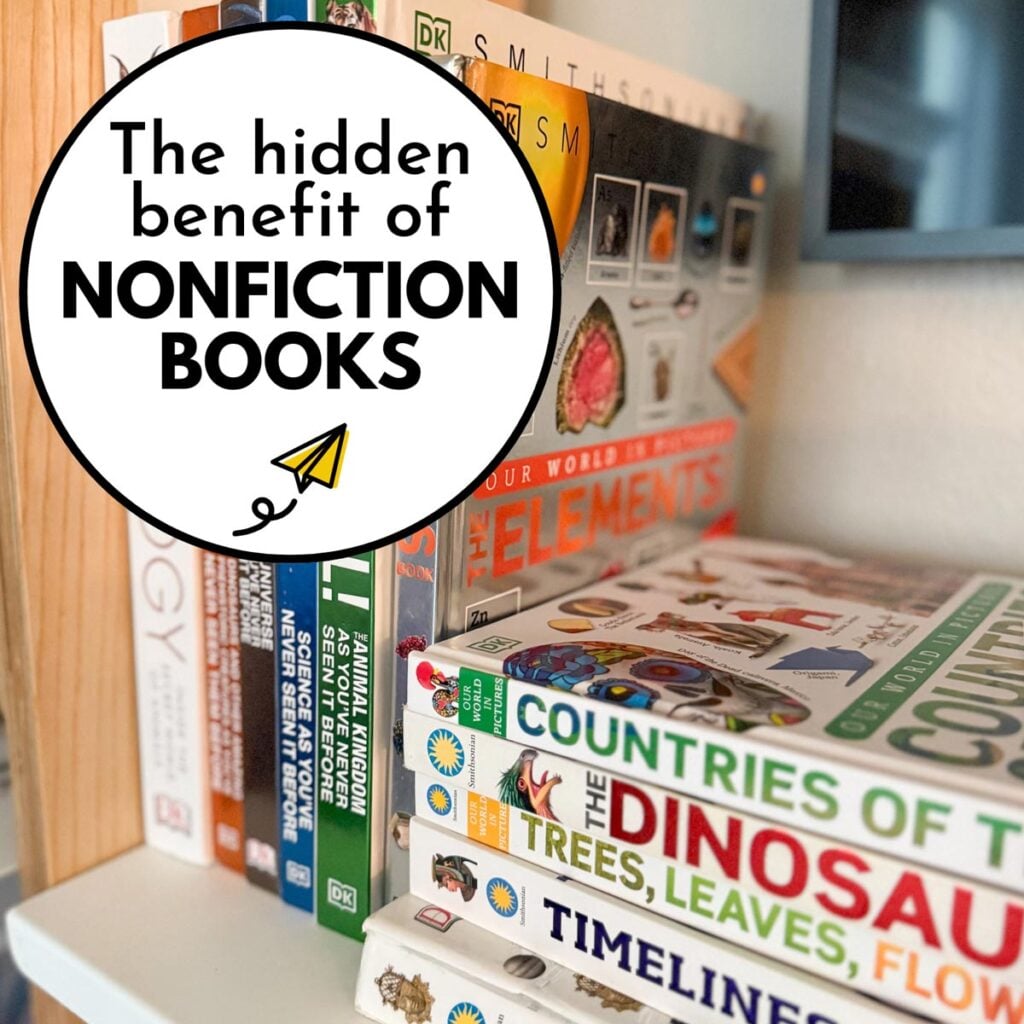
The Magic of Nonfiction Books and Kids
Do you remember encyclopedias?
Yes, I’m about to wax poetic about Britannica, Worldbook, and Funk & Wagnalls. Those heavy books did more than just weigh down our childhood forts. They were full of random facts and overflowing with knowledge.
You might pull one down, maybe to research volcanoes for a fourth grade project, but flipping through the V-volume, you’d take a detour at Venice, then Versailles, and end up learning about viceroy butterflies on your way.
I think about this kind of learning often.
And how it’s missing for my kids.
The learning our kids don’t get
I’m not trying to date myself, but “kids these days” go to Google or Alexa for information about volcanoes. They type in the search term, press enter, and the page glows with every fact imaginable about volcanoes.
But something big is missing from this moment. There’s no detour. No accidental learning. Nothing about Venice, Versailles, or the state butterfly of Kentucky.
Tucked inside the pages of an Encyclopedia was something magical: stumble upon learning.
Looking to build more foundational knowledge with your child?
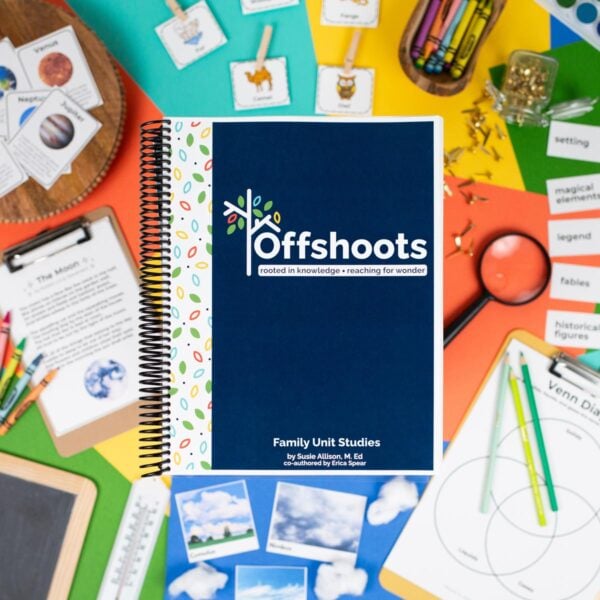
Check out Offshoots: elementary-level unit studies from the creator of Busy Toddler
What is “Stumble Upon Learning”?
“Stumble upon learning” is that magical moment when you flip through a physical nonfiction book looking for one answer, only to find information about 10 more topics you didn’t even know to ask questions about. You fall down a rabbit hole of knowledge and curiosity.
Our kids don’t have that the way that we did because the Internet doesn’t work that way for them.
They can ask Alexa or Google a question, but once they get their answer, the search ends. The learning stops. There’s no wandering. There’s no unexpected discoveries.
Using online tools, kids are only able to learn about what they already know to ask about or are actively being exposed to. It’s not safe to poke around the Internet the way we poked around an encyclopedia on a rainy day. It limits their learning, their growth, and their world.
RELATED: Wondering where to start when it comes to nonfiction books and kids? Check out my ultimate list.
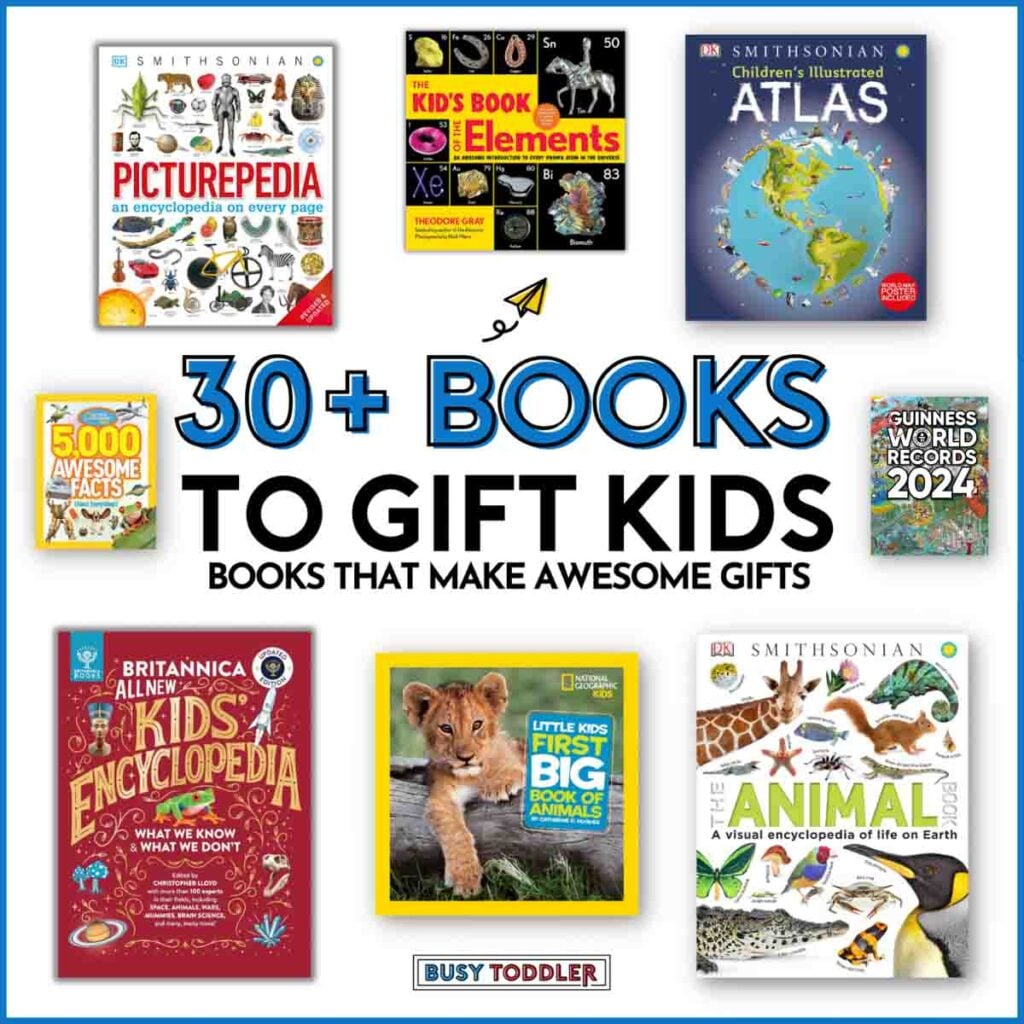
Can we bring back “stumble upon learning”?
So how do we “combat” this problem? With rich, meaty nonfiction books. The modern day Encyclopedia. Books bring that magic back.
Nonfiction reference books create those random, wonderful moments of curiosity that can’t happen any other way. Maybe they flip through an animal book and meet a naked mole rat for the first time. Maybe they see a zeppelin in a transportation book and realize air travel has a fascinating history. Maybe an atlas shows them how other families live across the world.
That’s stumble upon learning. Kids bumping into knowledge – and loving it.
When you fill your home with kid-friendly nonfiction reference books, you’re not just adding books. You’re giving your kids a doorway to find their own knowledge.
That’s how curiosity grows.
That’s how lifelong learners are made.
That’s how we bring back stumble upon learning.
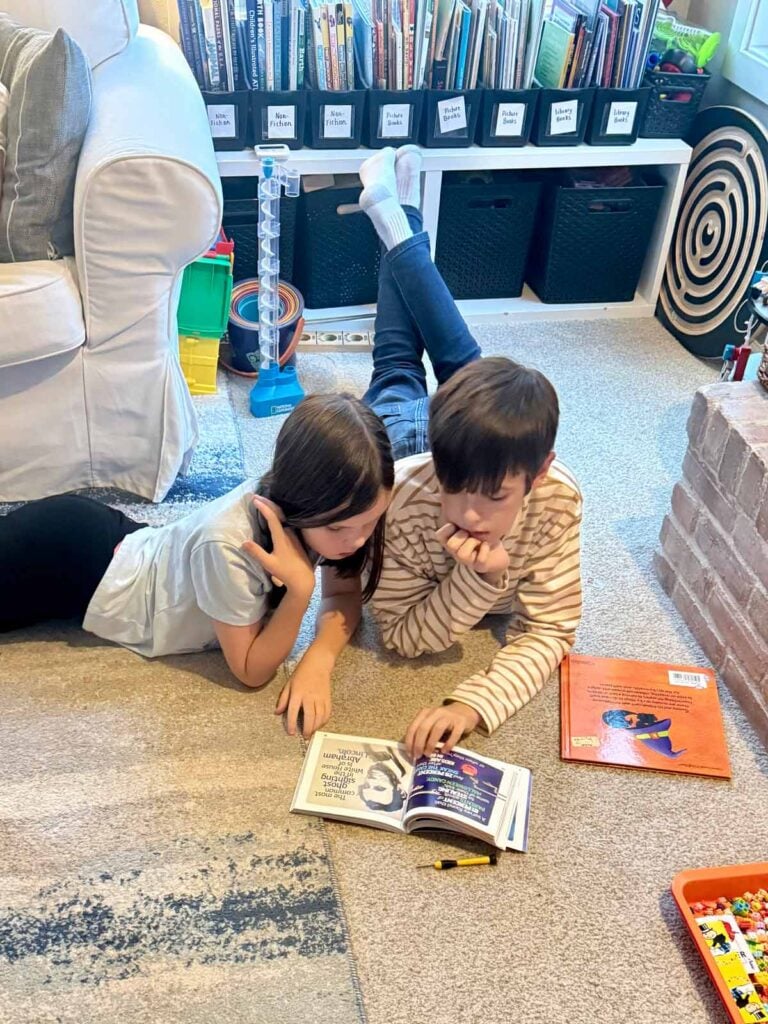
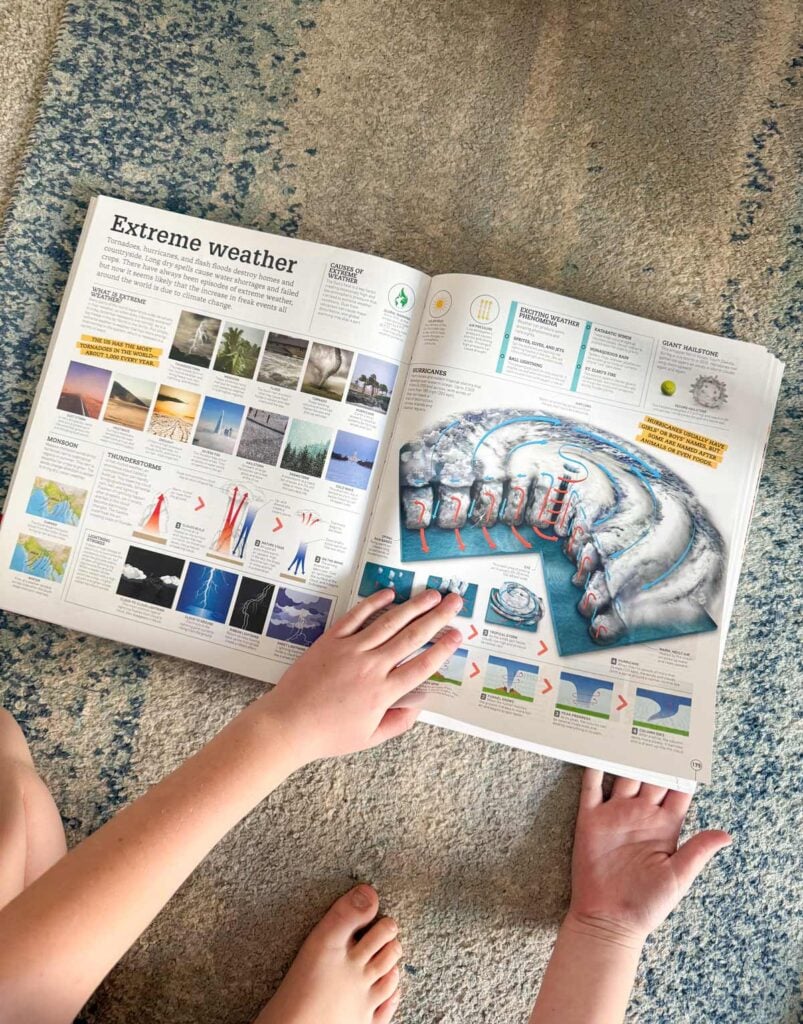
My Favorite Books for Stumble Upon Learning
Busy Toddler is a participant in the Amazon Services LLC Associates Program, an affiliate advertising program. As an Amazon Associate, I earn from qualifying purchases. Read more about these links in my disclosure policy.
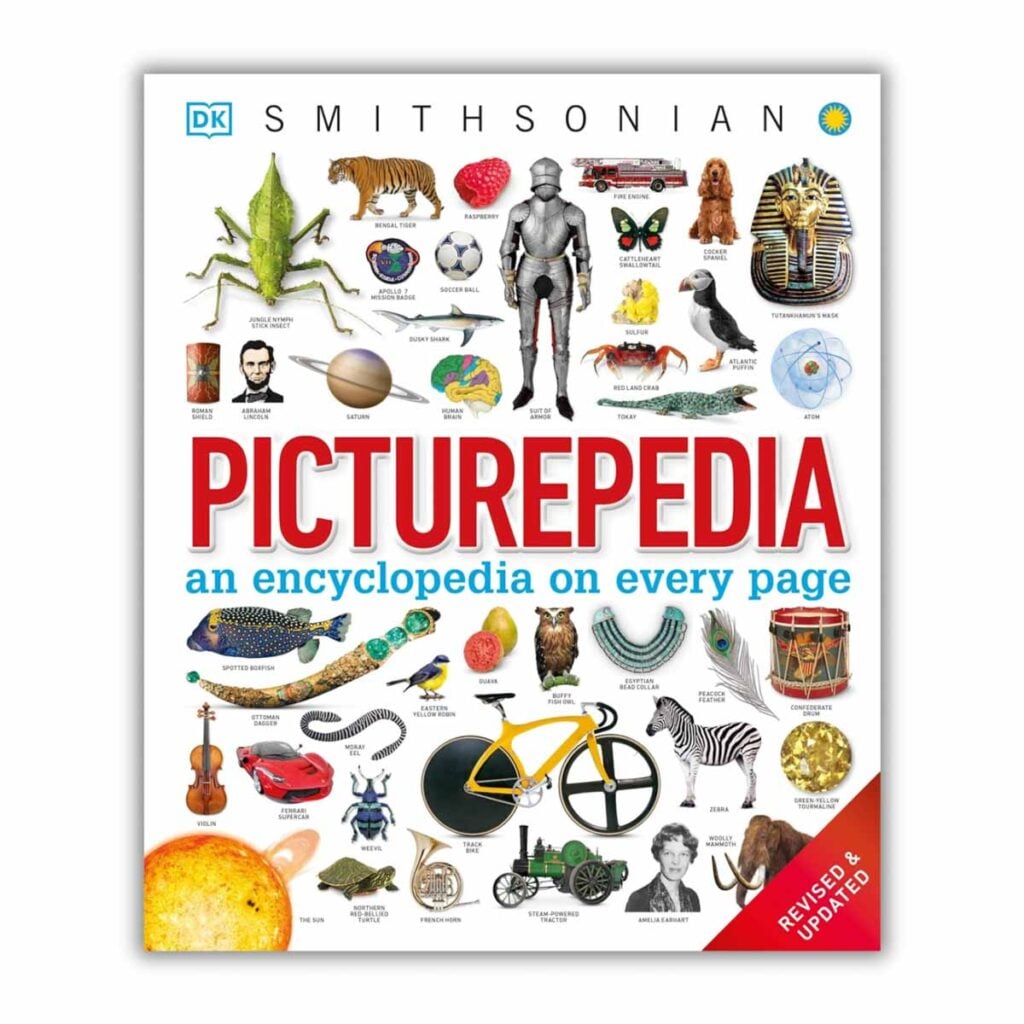
Picturepedia
The ultimate book for “stumble upon learning” – page after page of fascinating knowledge. The breadth of pictures makes this one perfect for younger kids – they can flip through and learn right alongside their independently reading older siblings.We bought this book when the kids were 4, 6 & 7…and this 40-something still loves it.
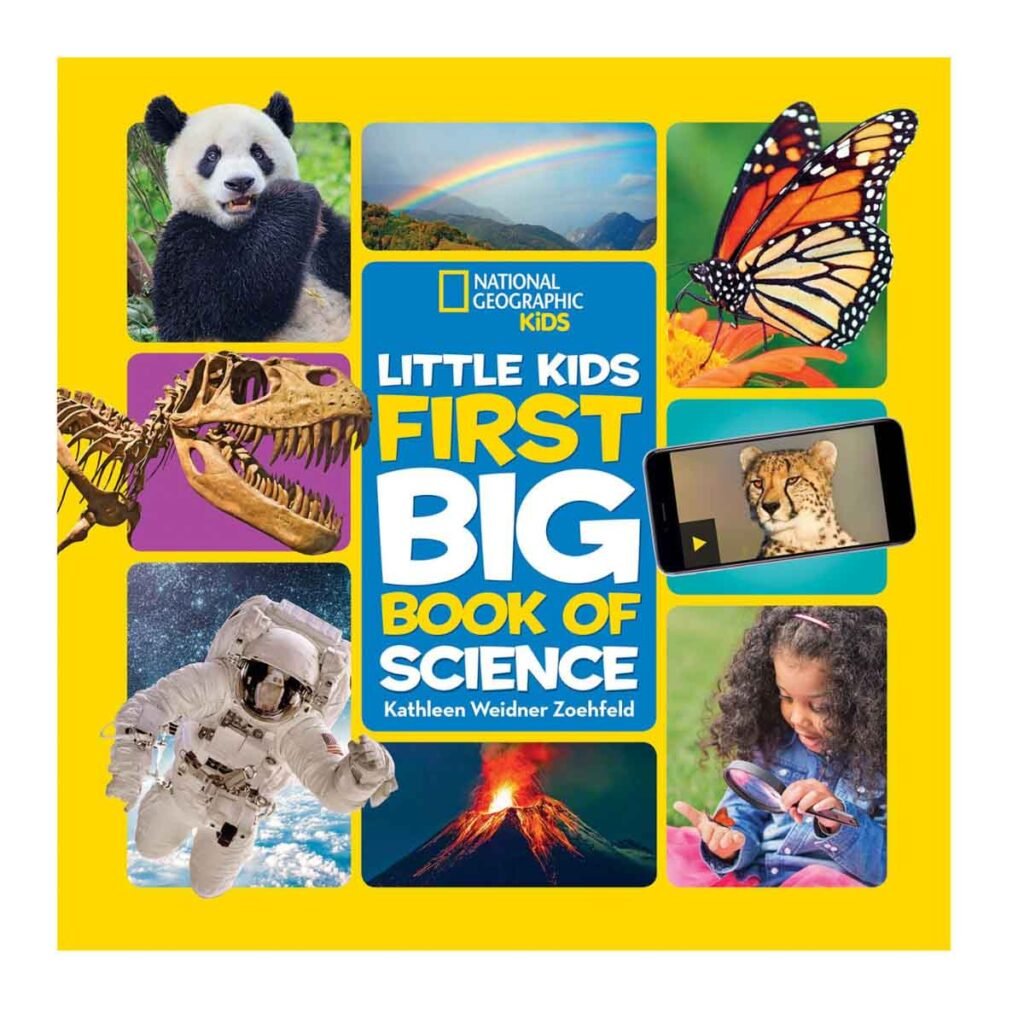
First Big Book of Science
National Geographic kids books are always great resources, and this one is a favorite in our house. I love the wide variety of information it holds (everything from astronomy to zoology) and vibrant photos with kid-friendly text. We have so many books from this First Big Book series. We started our collection when my kids were 3 and 2.

The Animal Book
The absolute most-used book in our house going on almost 8 years. My kids use it to look up facts, do deep dives when something strikes their fancy, and enhance their animal and zoo imaginary play. My 11-yr old daughter got this book for her 3rd birthday (and has loved it everyday since).
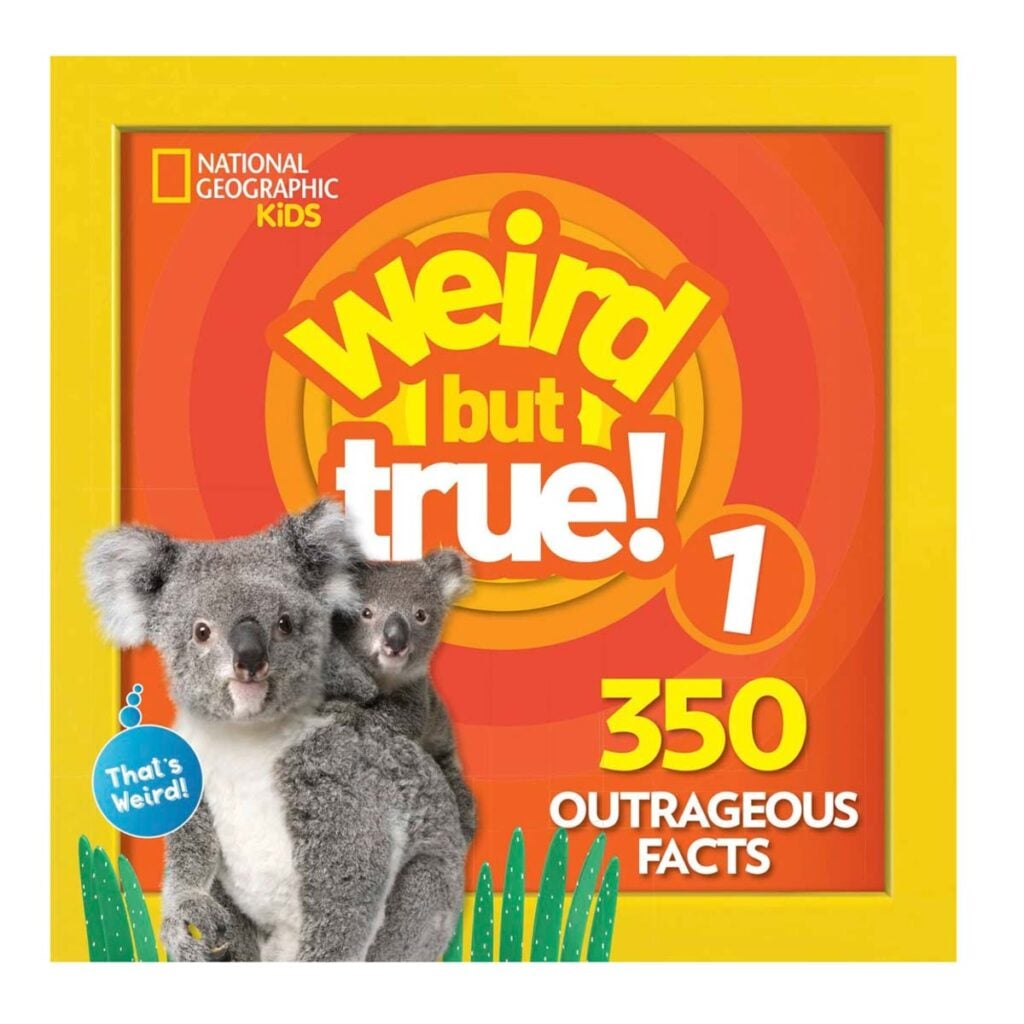
Weird But True
An absolute riot. “Weird But True” is a huge collection – there are almost 30 different books of wacky facts – on everything from basic information to sports, anatomy, presidents, oceans, and more. My kids read these books over and over again, and they never get old. They’re small in size and especially perfect for in the car or at a restaurant. We got our first around ages 5, 7, and 8. My kids are tweens now and still pouring through them.

Children’s Illustrated Atlas
I adore giving kids an option just wander through the world. With this kid-friendly atlas, they can explore double-page full color maps, vibrant photos, bright illustrations, and fun facts about cultures all across the globe. We got our first atlas when my kids were 2, 3, and 5.
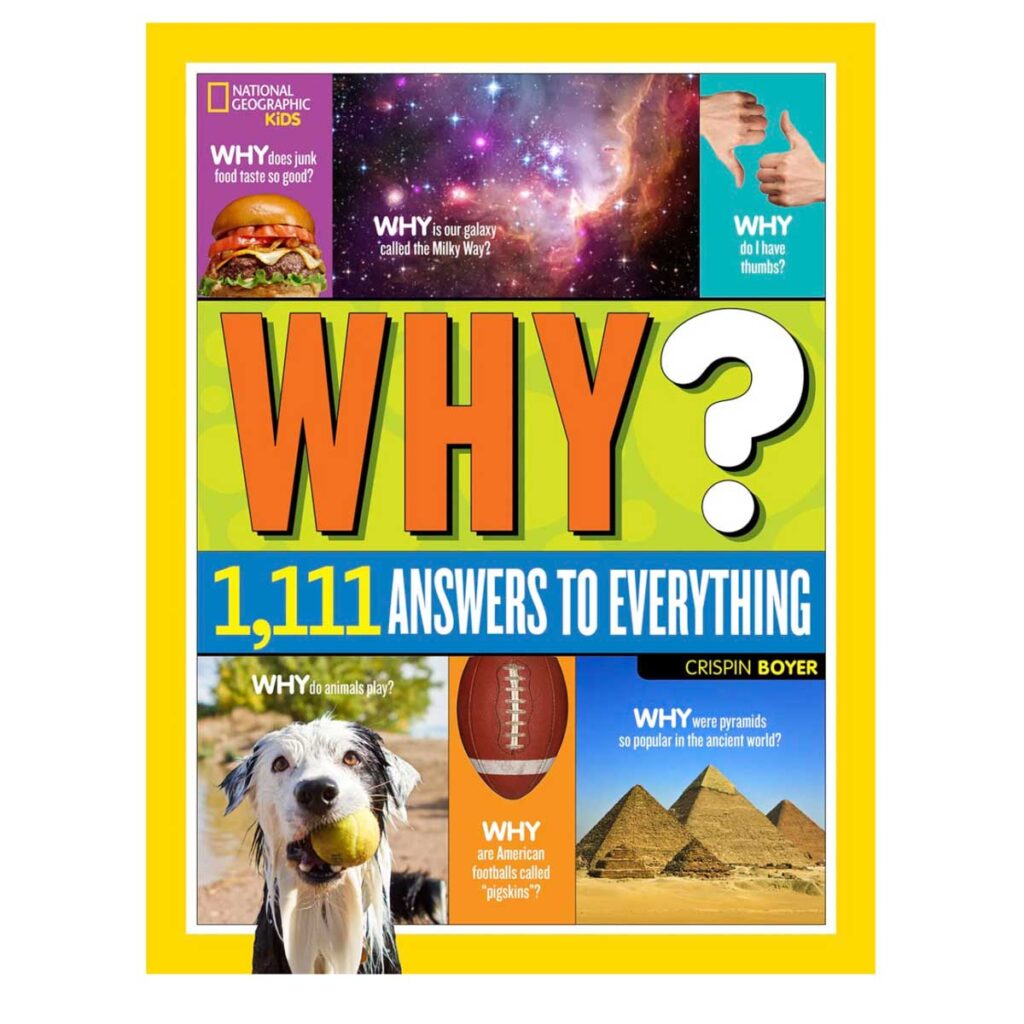
Why? 1,111 Answers to Everything
If you have a “buy why?!” kid…this one is for you. A fun, bright, and colorful book, with short snippets that are perfect for kid-length attention spans. I love that everything is phrased in Q & A format to help kids stumble on interesting info they wouldn’t get elsewhere. Why do belly buttons have lint? Why do we sweat? Why do eyes go red in photos? We bought this when my kids were 9, 10, and 12.




 Subscribe to my free newsletter and I’ll send you “35 Easy Toddler Activities to Break Up the Day!”


Leave a Comment