


Are you lost in the endless marketing and labeling of toys? Wondering what makes a toy truly great – one that your family will value for years – versus a toy that just becomes clutter around the house? This post debunks the top five myths around toys and breaks down how to choose toys with value.
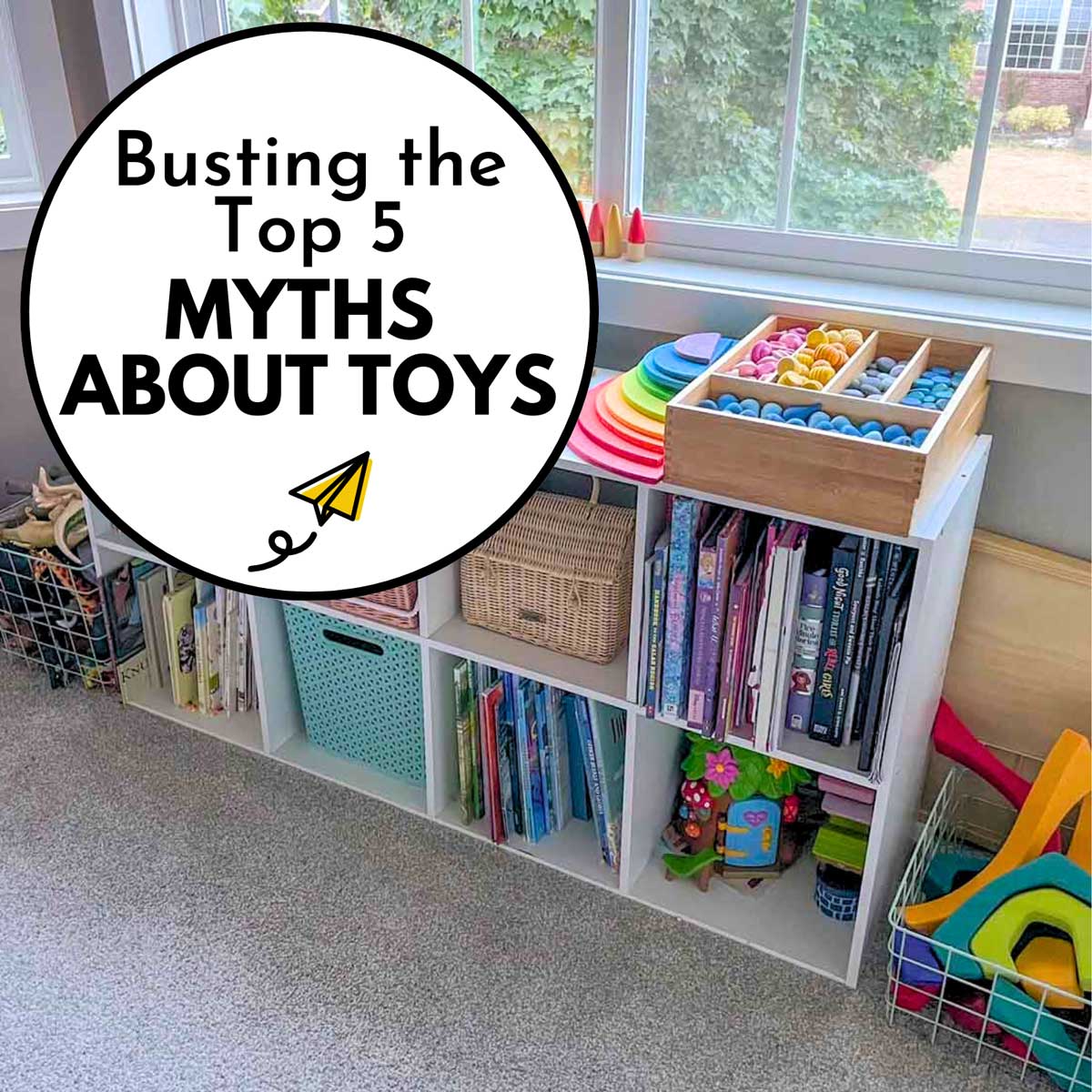
Toy Marketing is Overwhelming
Everywhere you look, there are claims about what kids “need,” what toys are “best,” and which purchases will magically make play easier. Then there’s the trendy toys, the expensive toys, and the educational toys.
It’s noisy and overwhelming.
But what I’ve learned after years of working with kids, studying their play, and raising my own three: play isn’t supposed to feel complicated. Kids don’t need fancy toys, curated shelves, or a perfectly stocked playroom. What they need is space, time, and the chance to build relationships with the toys they already have.
Before heading out to shop for holidays or birthdays, let’s pause to look at a few common toy myths that tend to sneak into our thinking.
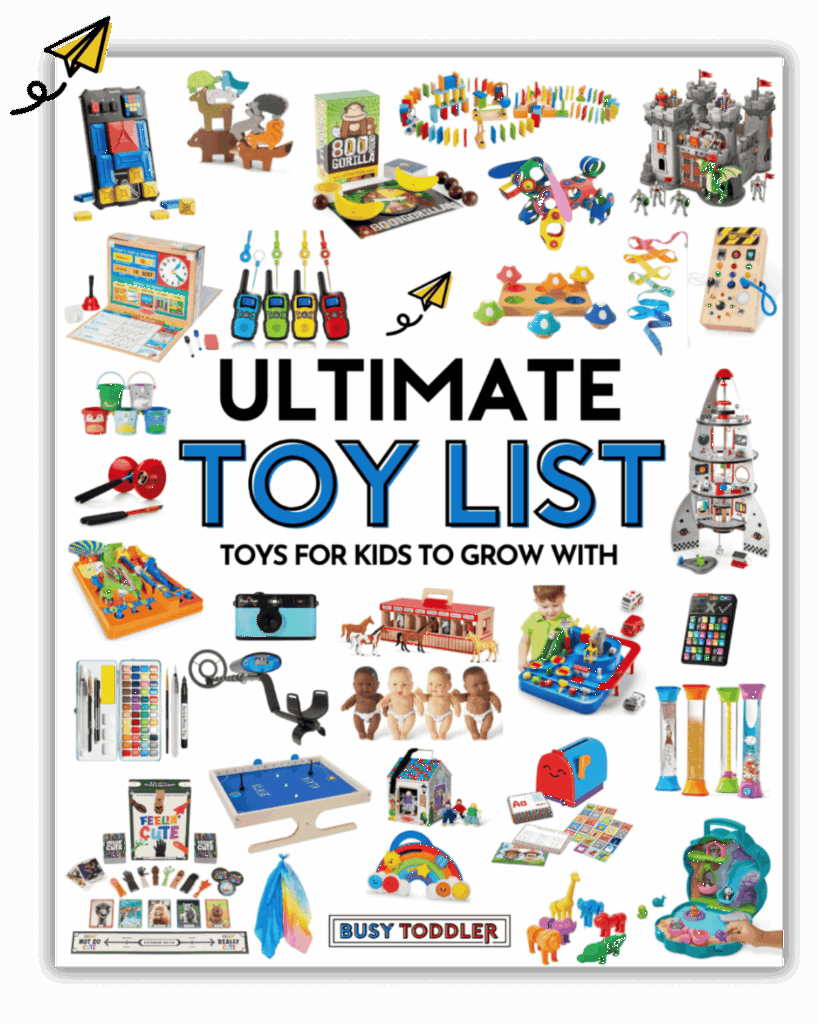
Find the toys kids actually love
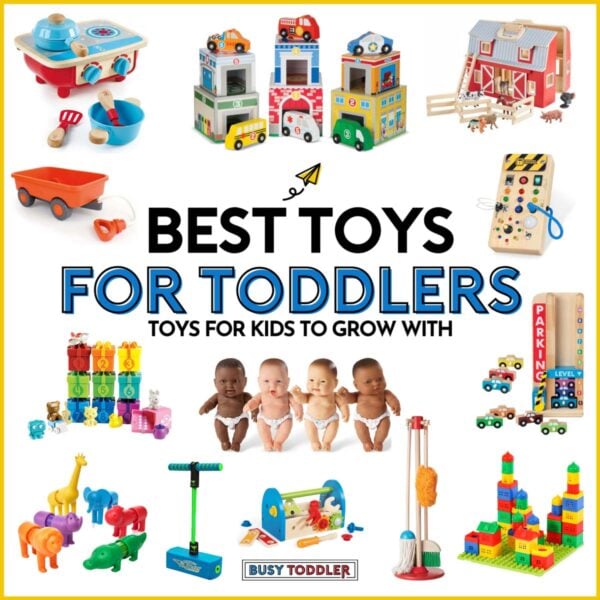
Check out Busy Toddler’s Gift Guides divided by age and interests (from babies to tweens)
The Top 5 Myths About Toys
These 5 myths can leave us buying more than we need or feeling like we aren’t doing enough. Let’s break them down, sift through the noise, and make play feel easier for everyone.
Myth 1: “Learning toys” promote more skill building.
Saying a toy is educational or promotes learning is just a marketing strategy used to sell more toys. All toys are “learning” toys once a child interacts with them because all children learn through play.
Toys don’t make a child learn. The child and the play do.
Myth 2: Expensive toys are better toys
The price tag has nothing to do with how impactful a toy will be. (And honestly it usually feels like the opposite.) Every child typically has a very specific style of play, and there are toys that will or won’t work for them. The price of a toy is not a factor in its value to a child’s play.
Expensive, color-coordinated, curated toys make for beautiful photos on social media, but that doesn’t tell us whether your kid will actually play with them.
Fancy toys won’t solve play problems or make children better at playing.
Myth 3: More toys = More play
If you’ve ever looked around your house and thought, “We have so many toys, but my kids don’t play with them!” – you’re not alone. This myth convinces parents that new toys will help kids play because more toy options equal more fun, but it’s actually the opposite.
Kids often play better with less. Purge toys before adding more. This may help cut down on decision fatigue and overwhelm.
RELATED: Do you need a toy reset? Check out my toy storage ideas that actually work.
Myth 4: Large toys make better gifts
Large toys can be great if you have room for them and if the child is likely to engage with the toy for years.
Thinking thoughtfully about large sized toys is important because they eat into the child’s overall play space. Without room to move and imagine, large toys can become roadblocks instead of play partners.
A play kitchen is great if you have room and interested kids, but a small set of pretend food may accomplish the same play goals with a fraction of the footprint.
Myth 5: Tweens don’t need toys
Big kids are still kids. They still need activities to build, create, explore, imagine, problem solve, and enjoy.
Toys will look different as big kids grow, but the need for toys as they grow skills and take up hobbies is massively important. Don’t dismiss toy-like gifts just because of a child’s age.
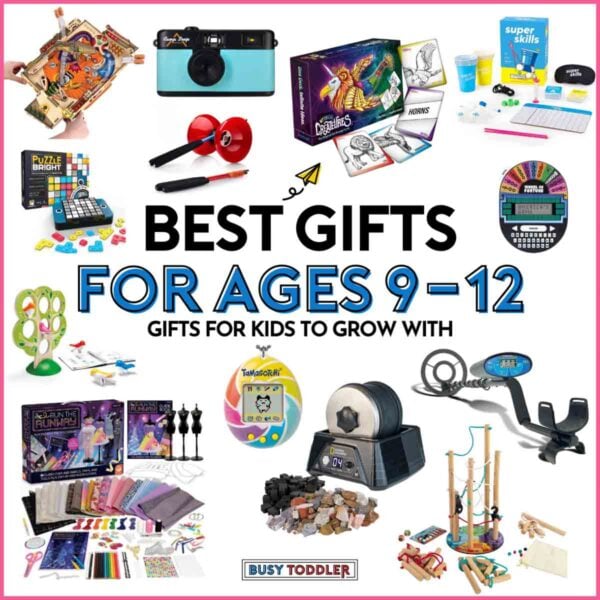
RELATED: Looking for the best toys for big kids? Check out my ultimate list for tweens.
Let’s stop believing toy myths and start valuing play
When we let go of these myths and build a different understanding of toys, play stops feeling like something we have to manage or perfect and starts feeling like what it truly is: a joyful, essential part of childhood.
Kids are wired for play. Our job is to value it, find a few good tools to support it, and give them space to grow.



 Subscribe to my free newsletter and I’ll send you “35 Easy Toddler Activities to Break Up the Day!”


Toynix Online says
This post is such a breath of fresh air. The myth about “learning toys” really hit home—kids truly learn best through open-ended play, not flashy labels. We’ve noticed that fewer, well-chosen toys actually lead to longer and more meaningful play at home.
For parents trying to choose toys more intentionally, stores like Toynix focus on creative and play-based options that don’t overwhelm kids.
👉https://www.toynix.pk/collections/musicaltoys
Thank you for helping parents rethink toy buying in such a calm, realistic way.